

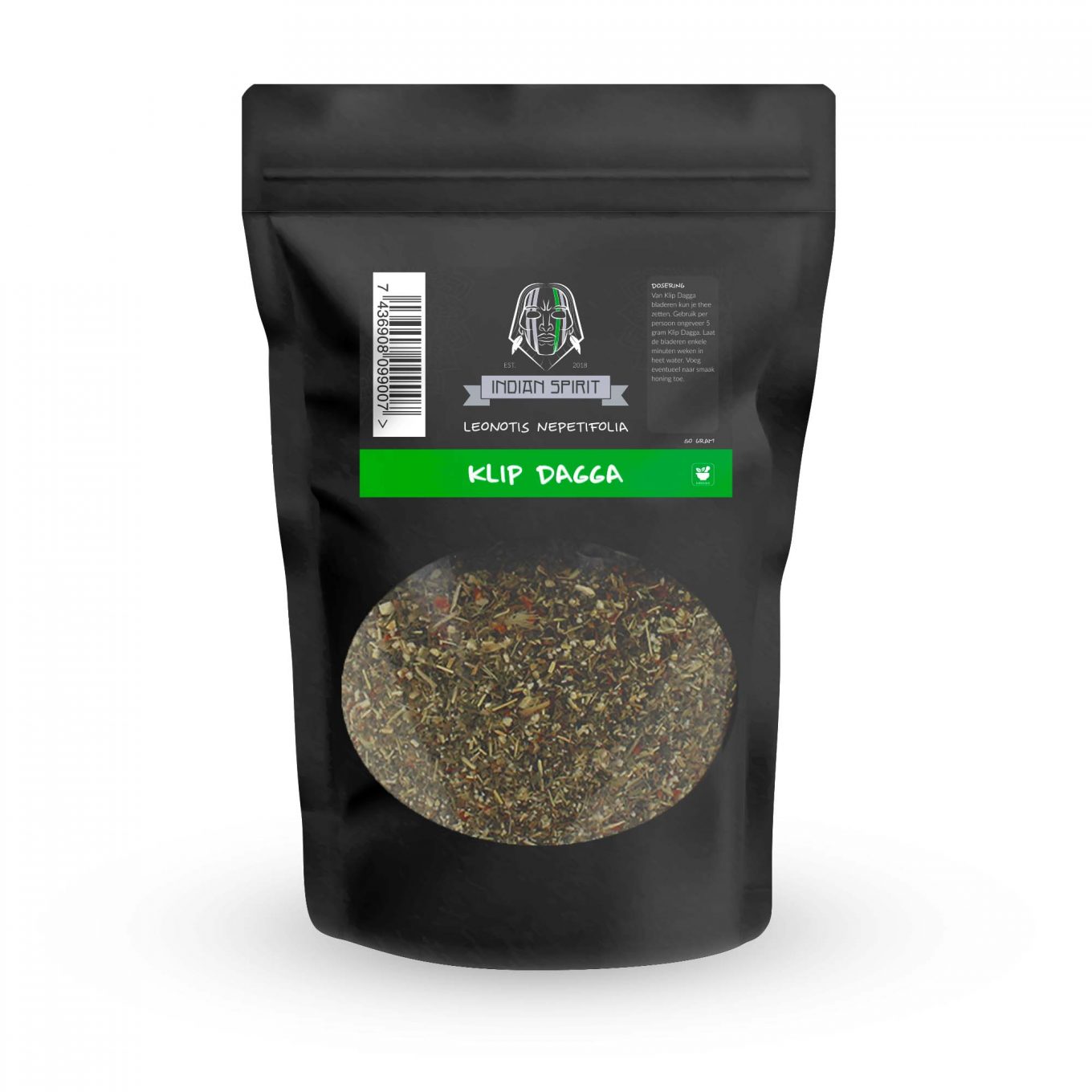
Klip Dagga – Exotic Herb for Relaxation & Ritual
Discover the gentle power of Klip Dagga, also known as Lion’s Ear. This unique herb originates from tropical regions such as Africa, India, and the Caribbean. It has been used for centuries in spiritual rituals and personal relaxation practices. Thanks to its mild aroma and versatile uses, Klip Dagga fits perfectly in your botanical collection.
What is Klip Dagga?
Klip Dagga, derived from the plant Leonotis nepetifolia, is an annual herb from the mint family. The plant is known for its unique orange flowers, resembling a lion’s ears, hence the nickname Lion’s Ear. Traditional cultures have used this plant for various purposes, often as part of relaxing and calming rituals.
Characteristics & Properties
- Scientific Name: Leonotis nepetifolia
- Nickname: Lion’s Ear / Klip Dagga
- Origin: Africa, India, Caribbean
- Part of Plant: Dried leaves & flowers
- Taste & Aroma: Mildly herbal, with earthy undertones
- Usage: Tea, smoking blends, or ritual applications
Klip Dagga is often valued for its balanced character, making it ideal for those seeking a natural addition to relaxation or meditation.
Applications & Usage
Although Klip Dagga is not a recognized medicine, it plays a valuable role in various cultures for personal care and moments of calm. Common uses include:
-
Tea
Add 1–2 teaspoons to hot water (90°C) and steep for 5–10 minutes.
Optionally combine with Blue Lotus or Passionflower. -
Smoking Blend
Use alone or mixed in a smoking ritual.
The smoke is light and mild, with a herbal note. -
Ritual Blends
Add to herbal bundles or use during meditation and intention work.
Its versatility makes it easy to adapt to your personal ritual or relaxation moment.
Safety & Tips
- Preferably do not use during pregnancy or breastfeeding.
- Do not combine Klip Dagga with other potent herbs or substances without experience.
- Store in a cool, dry place, away from direct sunlight.
- Keep out of reach of children.
By using this herb mindfully, you can fully enjoy its natural properties.